Sign-In or Create an Account to find your purchasing solution
Become a registered Edgetech partner to start using our latest insulating technology in your glazing systems.

Tel: +44 02476 639931
Email: ukenquiries@edgetechig.com
Orders: ukorders@edgetechig.com
The green potential of existing homes has never been more important. While the government’s Green Homes Grant scheme has ended, the imperative to retrofit existing properties remains critical—around 80% of the homes that will exist in 2050 are already built today. This means retrofitting existing properties is not optional; it’s essential to meeting the UK’s Net Zero 2050 target.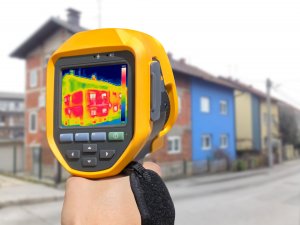
The challenge is clear: upgrading existing homes to meet carbon-zero standards requires coordinated improvements across multiple building systems. The good news? Modern retrofits deliver exceptional results, often surpassing the environmental benefits of new construction while significantly reducing operational carbon emissions.
Zero-carbon homes produce as much energy as they consume through a combination of energy efficiency measures and renewable energy generation. The building’s operational energy demand is met entirely by on-site or imported renewable sources.
Carbon-neutral homes offset the energy they consume through renewable energy credits or production elsewhere. While valuable, this approach relies on continuous offsetting or energy generation to maintain carbon-neutral status.
Low-carbon homes reduce energy consumption significantly through efficiency improvements such as insulation, high-performance windows, airtightness, and upgraded heating systems, even without on-site renewable generation. This “fabric first” approach forms the foundation of any successful retrofit strategy.
It’s also important to consider embodied carbon. The carbon emissions involved in constructing a new-build home—from material sourcing and processing to construction—often outweigh any achieved zero-carbon operational status for many years. By comparison, zero- or low-carbon retrofits generate far lower embodied carbon while delivering similar operational performance, making them the fastest and most sustainable route to meeting climate targets.
Retrofitting for zero-carbon performance requires improvements across four interconnected areas. Each represents a worthwhile project in its own right, but when combined in a coordinated way, the building’s performance is truly optimised.
Key principle: a fabric-first approach means prioritising the building envelope (insulation, windows, doors and airtightness) before investing in renewables. By reducing heating demand first, heat pumps can be smaller, more affordable and more efficient. This sequencing improves return on investment and ensures long-term performance.
According to the Energy Saving Trust, heat loss in a typical UK home is distributed approximately as follows:
While windows and doors account for a smaller proportion of total heat loss than walls or roofs, they are often among the easiest building elements to upgrade. Replacing outdated glazing with modern, high-performance sealed units can deliver immediate comfort improvements, reduce draughts and condensation, and cut operational carbon.
 Insulation and airtightness
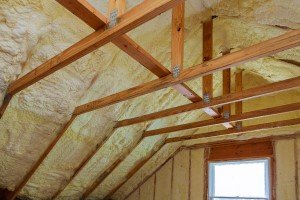
Insulating your home is one of the most important steps towards achieving a zero- or low-carbon home. Effective insulation reduces the amount of heat required to keep a property comfortable, which in turn lowers running costs and carbon emissions.
Loft insulation is relatively inexpensive and easy to install. Experts recommend loft insulation thickness of at least 250–300mm (around 10–12 inches) to optimise heat retention and align with modern efficiency expectations.
Cavity wall insulation is suitable for most properties built between 1930 and 2000. These walls can typically be insulated by injecting insulation material into the cavity, significantly improving thermal performance via a straightforward process. For older, solid-wall properties (usually pre-1930), internal or external wall insulation—such as insulated cladding systems—will be required. Although more complex and costly, these solutions can deliver equivalent performance benefits when correctly designed and installed.
Airtightness is equally important. Uncontrolled air leakage can account for around 10–15% of total heat loss. Professional airtightness testing (blower door testing) can identify and quantify unwanted air leakage before and after retrofit work, ensuring that design targets are achieved and that ventilation strategies (such as MVHR) perform as intended.
Modern double and triple-glazed sealed units can have a dramatic impact on a property’s thermal performance. When you replace old, poorly performing glazing with modern high-performance alternatives, you can:
What makes modern sealed units efficient?
Today’s high-performance windows typically combine three key technologies:
The critical component: spacer bars
Often overlooked, the spacer bar—the component that separates the panes of glass around the edge of the sealed unit—is crucial to overall window thermal performance.
Traditional aluminium spacer bars conduct heat extremely well, creating a thermal bridge at the edge of the glass. This causes the edge of the window to become much colder than the centre, increasing the risk of condensation, creating cold spots and raising overall heat loss.
Edgetech warm edge spacers are manufactured from low-conductivity materials specifically engineered to minimise this thermal bridging effect. The benefits include:
To maximise the performance of replacement glazing, Edgetech has developed a comprehensive range of warm edge spacer products that are built into window designs during manufacture. Fitted between the glass panes of a sealed unit, these low-conductivity spacer bars significantly reduce heat loss, help prevent condensation, and lower exterior noise penetration.
For homeowners planning retrofit projects, Building Regulations Part L sets mandatory energy efficiency standards for replacement windows and doors in England and Wales.
Part L 2023 update: replacement windows in existing homes must now achieve a U-value of 1.4 W/m²K or better (or a minimum Window Energy Rating of B). New-build homes are subject to even tighter requirements, with typical window U-values needing to achieve 1.2 W/m²K or better. Meeting or exceeding these standards is essential not only for compliance but also for futureproofing property value.
How high-performance sealed units help: modern double-glazed units that incorporate warm edge spacers can typically achieve U-values around 1.2 W/m²K or better. Triple-glazed units using warm edge technology can reach as low as 0.8 W/m²K or below, providing a generous compliance margin alongside superior comfort and energy performance.
When comprehensive improvements are made across all four retrofit pillars—fabric, heating systems, renewables and ventilation—homeowners can benefit from substantial energy, carbon and cost savings. Although there may be a significant upfront investment, the medium- and long-term benefits are compelling.
Retrofitting existing properties to zero-carbon or low-carbon standards is achievable, economically justified and environmentally essential. Success depends on a holistic, fabric-first approach: improving insulation, upgrading to high-performance windows and doors, and enhancing airtightness before investing in low-carbon heating systems and renewable technologies.
High-performance sealed units incorporating Edgetech warm edge spacers provide the thermal performance required to meet modern Building Regulations, eliminate many condensation issues and ensure consistent long-term energy savings. As a result, warm edge technology has become a specified standard in deep-retrofit projects and high-performance window systems across the UK.
If you’re interested in finding out more about how Edgetech products can help you get one step closer to creating a zero- or low-carbon home, get in touch today. For more information about any of Edgetech’s energy saving products, contact us online.
Please fill out the form below to a find a local supplier. Once we've found you closest suppliers you will be able to contact them all.
Your enquiry has been successfully submitted. You should receive an email or callback with 24-48 hours.
Return to the homepage